I. Structure
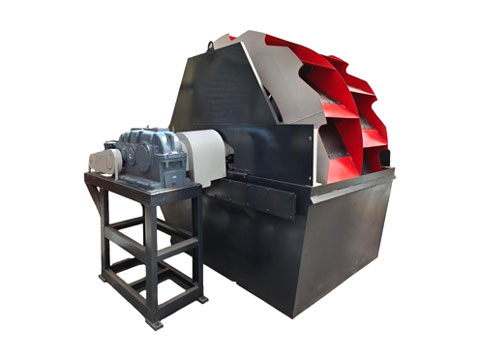
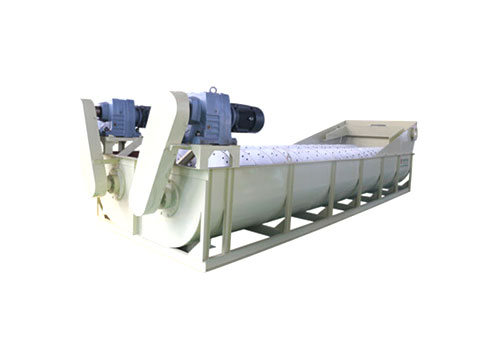
Heavy-duty Frame: Welded by Q235 steel plates and I-beams, high rigidity and impact resistance.
Roller Shaft & Disc Assembly (Core Part): Multiple parallel quenched solid shafts fitted with staggered Mn13 high manganese steel butterfly discs. Gap between discs is adjustable (20–200 mm). Differential rotation brings self-cleaning & anti-clogging performance for wet sticky clay materials.
Drive Unit: Variable-frequency motor + hardened gear reducer. Two drive modes: centralized chain drive or individual drive for each shaft. Overload protection, adjustable rotating speed for different mud content and moisture.
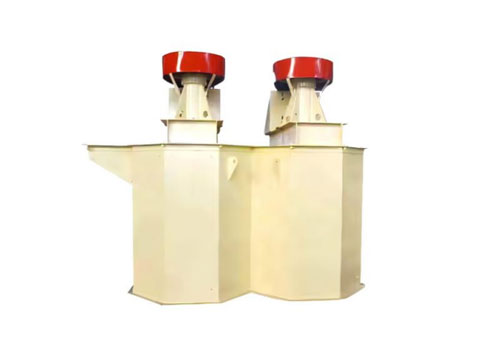
Hopper & Discharge Chutes: Top feeding hopper; two separate outlets: chute for fine mud (undersize) and chute for clean stone (oversize).
Electrical Control System: VFD control cabinet, emergency stop and overload protection. Mobile version equipped with crawler or tire chassis.
Replaceable Wear Liners: Manganese steel liner plates, bolted for quick replacement.
II. Working Principle
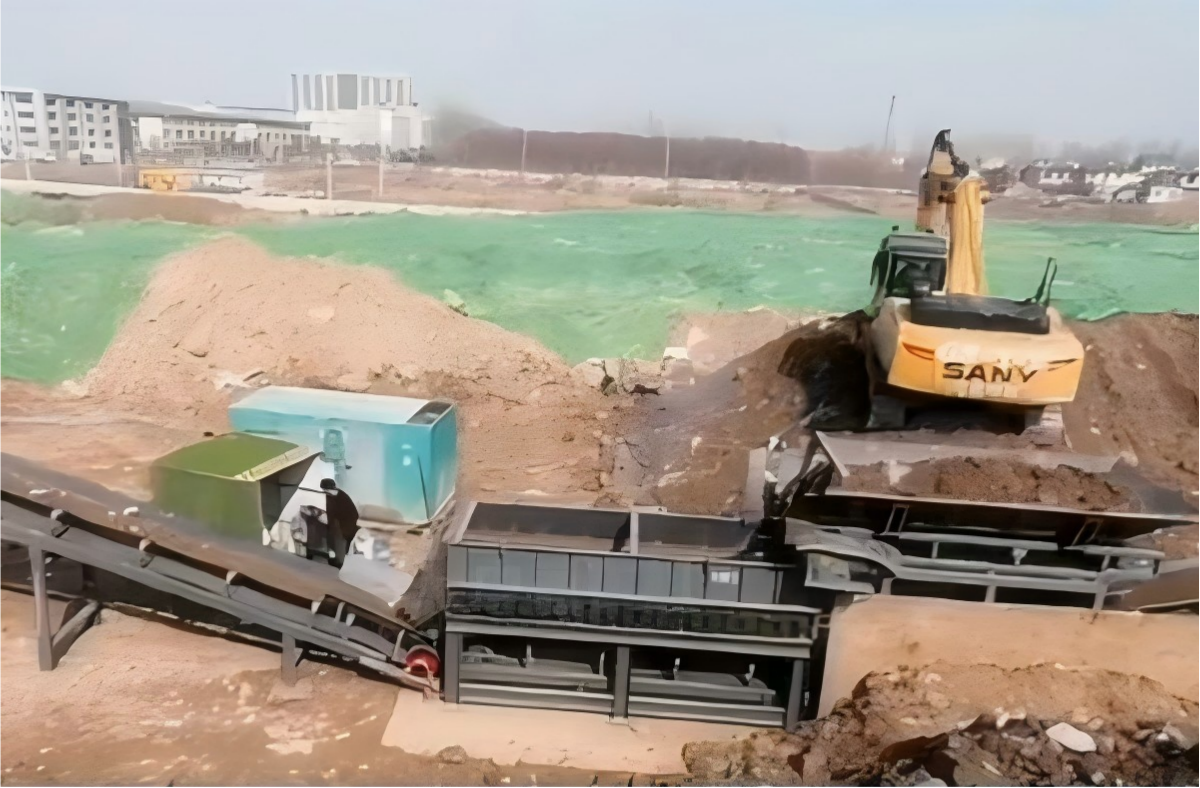
Material is fed onto the screening surface. The rotating discs push large stones forward, while clay and fine particles fall through disc gaps. Dry separation without water, used for primary scalping.
III. Application Cases
Quarry Aggregate Plant
Operating Conditions: In an open-pit quarry, raw stone often contains red clay and weathered mud; feeding this material directly into a crusher frequently causes chamber clogging and accelerates wear. Solution: Install a soil-stone separator upstream of the crushing stage, with a gap setting of 40–60 mm. This allows soil and fine debris to be screened out, while clean stone is directed into the jaw crusher. Results: Reduced crusher clogging, lower clay content in the final sand and gravel products, improved aggregate quality, and an overall increase in production line capacity by 20%–30%.
Construction Waste Recycling
Operating conditions: Demolition waste consisting of rubble, concrete blocks, and brick/tile fragments, mixed with a significant amount of soil. Solution: A soil-stone separator is used to separate the soil from the brick, concrete, and stone debris. The resulting clean aggregate is then fed into crushing and sand-making processes, while the separated soil is utilized for backfilling. Outcome: The impurity content in the recycled aggregate is reduced to less than 3%, increasing the value of the recycled sand and gravel, and enabling the resource recovery of solid waste.
Mining Ore Pre-treatment
Operating conditions: Iron ore or bauxite deposits with significant surface soil cover and weathered ore, characterized by a high clay content. Solution: Utilize a soil-rock separator for dry-process de-sliming to remove overburden and clay-rich soil beforehand. This increases the grade of the ore fed into the beneficiation process and reduces both water consumption and the operational load on downstream ore washing and flotation stages.
River Dredging & Earthwork
Operating conditions: Dredged river sediment (a mixture of silt and sand) and excavated roadbed material (a mixture of soil and rock). Solution: Deploy a mobile sediment-rock separator directly to the site for on-the-spot screening. This allows for the recovery and reuse of sand and gravel, while the remaining silt can be transported off-site for backfilling—eliminating the costs associated with transporting raw materials.