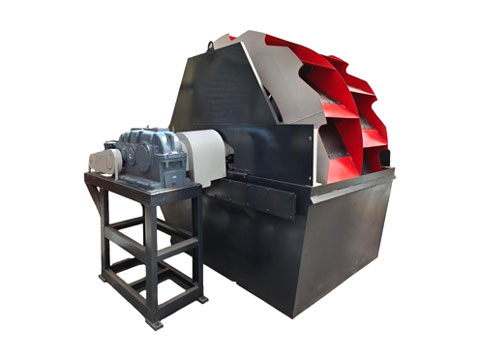
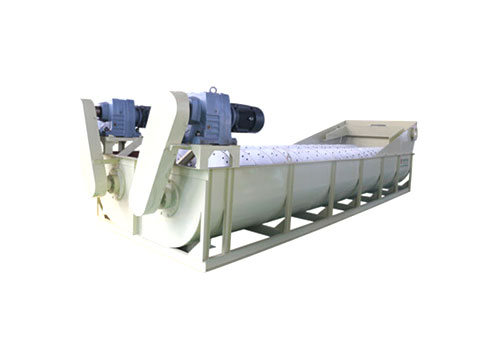
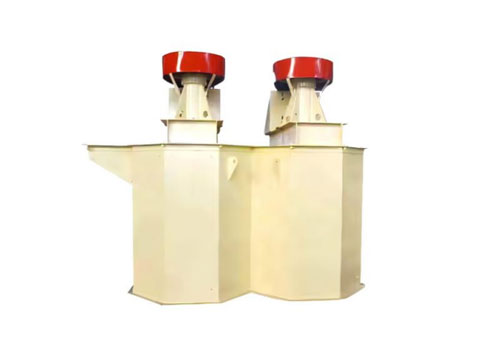
In traditional wet sand-washing processes, the loss of fine sand particles is a pervasive and significant technical challenge. Specifically, fine sand particles with a diameter of less than 0.16 mm are frequently lost in large quantities along with the wastewater—often at a rate exceeding 20%—which negatively impacts production efficiency, product quality, and the ecological environment.
The primary causes of this loss include insufficient separation precision in the equipment, inherent limitations of wet-processing methods, and the absence of recovery systems.
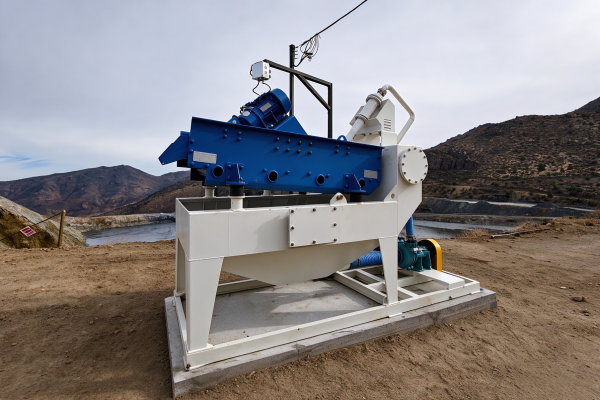
Tailings management is the lifeline of sustainable development in the mining industry; its necessity and urgency stem from the combined pressures of resource management, environmental protection, and safety. Globally, over 15 billion tons of tailings are generated annually. In my country, the accumulated volume exceeds 20 billion tons and continues to grow at a rate of 1.5 to 2 billion tons per year. This “black GDP”—a term for the environmental and social costs hidden within economic output—has become a core bottleneck hindering the green transition of the mining sector.
The Necessity of Tailings Management:
Significant Loss of Valuable Components: Traditional mineral processing methods typically achieve recovery rates of only 70%–85%, with tailings often containing 0.5%–2% of valuable metals.
Wastage of Associated Resources: Tailings contain associated non-metallic minerals—such as quartz, feldspar, and barite—as well as rare earth and rare dispersed elements, offering potential for use in construction materials or other composite applications.
Imperative for a Circular Economy: Under the “dual carbon” (carbon peaking and carbon neutrality) goals, efficient resource utilization has become a fundamental requirement for the survival of mining enterprises. Reprocessing tailings can extend a mine’s operational lifespan by 10–15 years and reduce reliance on external resource supplies.
Risk of Water Pollution: Tailings slurry contains suspended solids, heavy metal ions, and chemical reagents used in mineral processing. Direct discharge can lead to excessive turbidity and heavy metal concentrations in water bodies, damaging aquatic ecosystems.
Impact on Soil and Atmosphere: Dust from tailings contains PM10, PM2.5, and heavy metals; once settled, these pollutants can contaminate farmland and threaten food safety.
Regulatory Compliance for Solid Waste: Tailings are classified as “Class I general industrial solid waste” and must comply with the *Standard for Pollution Control on the Storage and Landfill of General Industrial Solid Waste*. Simple, unmanaged stockpiling no longer meets environmental regulatory standards.
Safety Hazards of Tailings Dams: Direct disposal of tailings slurry into storage facilities consumes capacity rapidly and compromises dam stability, creating a risk of dam failure.
Trigger for Geological Disasters: The accumulation of fine sand in river channels raises riverbeds, reduces flood-carrying capacity, and can create “artificial swamps,” which may trigger geological disasters such as mudslides.
High Costs of Mine Closure: Once a tailings storage facility reaches the end of its service life, significant investment is required for closure, remediation, and ecological restoration. Proactive tailings management can substantially reduce these future costs.
Capacity Crisis: The average service life of a tailings storage facility is less than 15 years. With increasingly stringent approval processes for new sites, many mines face a critical shortage of disposal capacity.
Shortage of Strategic Minerals: The surging prices of “new energy” metals—such as cobalt, nickel, and lithium—have created an economic window for tailings reprocessing; delaying such efforts means missing out on potential profitability. Rising treatment costs: As environmental requirements become more stringent, the cost of tailings treatment is increasing by 8%–12% annually; addressing it sooner is more economical than delaying.
To address the aforementioned issues, our company has successfully developed a tailings recovery machine. By incorporating advanced international technology and tailoring the design to the specific requirements of sand-washing production lines and tailings discharge processes, we have created a state-of-the-art system for extracting fine particles. This equipment is now widely utilized in sectors such as sand and gravel aggregate production and mineral processing.